
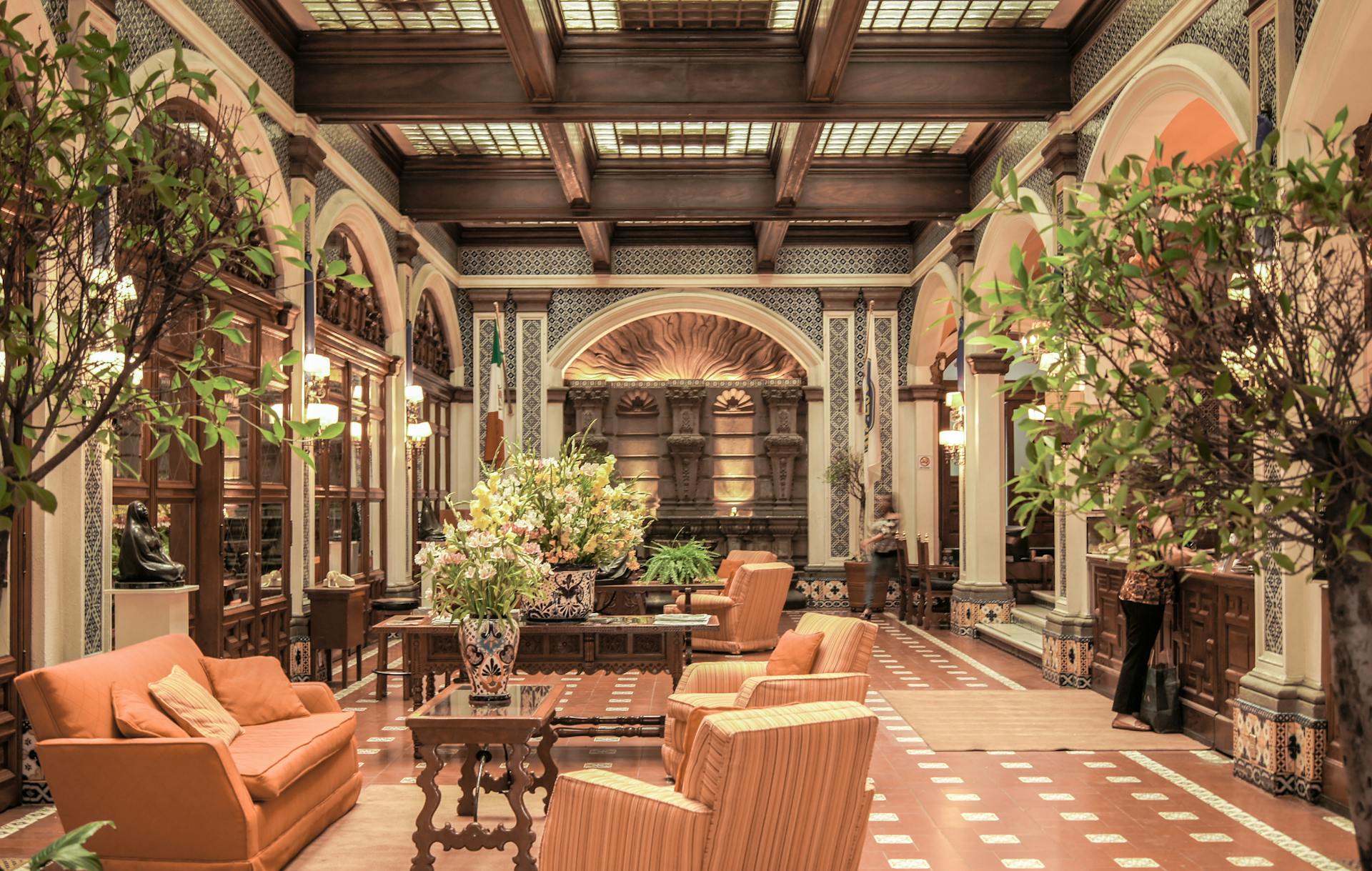
7 Hotel Interior Design Trends: Boutique Hotels Are Redefining the Guest Experience
Boutique Hotels Are Redefining the Guest Experience
In the evolving world of luxury hospitality, hotel interior design trends are doing more than elevating aesthetics; they’re reshaping the guest experience from the inside out. Today’s boutique hotels are design-forward, wellness-conscious, and deeply intentional, creating spaces that feel both indulgent and personal.
Whether you’re designing your own boutique hotel or drawing inspiration for residential or commercial spaces, these trends offer timeless takeaways and meaningful ways to integrate them into your next project.
1. Purposeful Design That Tells a Story
One of the strongest movements in modern hospitality is design with intention. Boutique hotels are moving away from generic décor and leaning into storytelling through interiors.
Design Tip:
Choose finishes, materials, and furnishings that reflect your location’s heritage or your brand’s ethos. Custom millwork, sculptural lighting, and locally sourced artwork not only ground the space; they make it unforgettable.
To start, consider replacing one or two off-the-shelf elements with pieces that speak to your locale, culture, or clientele. Even subtle changes, like regional stone in the lobby or artisanal tile in the bathrooms, can shift a space from ordinary to extraordinary.
2. Curated Comfort: Rooms That Feel Like Home
Guests want more than a place to sleep; they want to feel seen, cared for, and relaxed. The latest hotel interior design trends focus on fully furnished, layered environments that combine functionality with warmth.
Design Tip:
Go beyond the basics. Incorporate plush seating areas, layered lighting, tactile textiles, and intuitive storage. The feeling should be: “Everything I need is right here, and it’s beautiful.”
For an added touch, design a “signature comfort” detail for each room, whether it’s a velvet reading nook, a curated in-room library, or a one-of-a-kind headboard design. These touches linger in guests’ memories long after checkout.
3. Less Is More: Sophisticated Simplicity
Minimalism continues to thrive, but not in a cold, sparse way. Today’s boutique hotels favor simplicity that feels curated and calming, with a careful edit of color, form, and texture.
Design Tip:
Use a clean, modern base palette, think soft taupes, warm grays, and organic whites, and layer in contrasting materials like matte brass, raw oak, or hand-thrown ceramics.
To bring this aesthetic to life, try refining a cluttered area by removing visual noise and introducing one sculptural or textural statement piece that commands attention. The result? Breathing room.
4. Location-Enhanced Design
Design that honors its location doesn’t just look better; it feels better. Today’s most compelling boutique hotels draw from their surroundings, using design to connect guests more deeply to a place.
Design Tip:
Bring the outside in. Echo local landscapes through your color palette, materials, or art. If you’re near the desert, work in warm terracotta and sun-washed neutrals. In coastal areas, integrate driftwood, sea glass, or airy linen.
Take a design walk through your neighborhood. Notice the textures, colors, and forms around you, and translate that visual language into your interiors. Guests love to feel immersed in a destination, not just housed in it.
5. First Impressions Matter: Reimagine the Lobby
The lobby is no longer just a pass-through; it’s the opening chapter of your guest’s story. As the first space they see, it sets expectations and feelings instantly.
Design Tip:
Use layered lighting, natural materials, oversized artwork, and intuitive wayfinding to make your lobby multifunctional and welcoming. Think of it as part gallery, part lounge, part check-in experience.
If you’re designing or refreshing your lobby, consider adding a bold focal point, a sculptural chandelier, a living wall, or a custom seating installation, to elevate the tone from the moment someone walks in.
6. Eco-Luxury & Wellness by Design
Sustainability and wellness are no longer add-ons; they’re expectations. Boutique hotels are embracing green design strategies that align with guests’ desires for both luxury and conscious living.
Design Tip:
Integrate biophilic elements like live plants, water features, and daylight-maximizing layouts. Use sustainable materials like bamboo, FSC-certified wood, and organic textiles wherever possible.
You might begin by incorporating wellness-forward amenities, such as spa-like bathrooms, in-room air purification, or organic, locally sourced minibars, to bring an elevated sense of care to your interiors.
7. From Hotel to Home: Inspiring Residential Design
The influence of boutique hotels now extends beyond hospitality. Homeowners and designers are bringing the calming, luxurious feel of their favorite stays into primary suites, guest bedrooms, and even home offices.
Design Tip:
Design with intention and flow. Focus on spatial zoning, textural layering, and ambient lighting to evoke the comfort of a high-end suite.
When we’re working with residential clients, we often consider incorporating “hotel-inspired living” that includes spa bathrooms, custom lighting schemes, and furniture layouts that mirror the ease of luxury travel.
Final Thoughts: Design That Leaves a Lasting Impression
At their best, today’s hotel interior design trends go beyond aesthetics; they invite connection, comfort, and clarity. Boutique hotels are mastering the art of experience through design, inspiring both travelers and homeowners alike.
At Interiors Remembered, we specialize in creating purposeful, luxurious spaces that evoke emotion and elevate daily life. If you’re ready to bring boutique luxury into your hotel, home, or commercial space; we’d be honored to guide the process.
Let’s start the conversation. Schedule your discovery call today.[/vc_column_text]
What are the latest trends in boutique hotel interior design?
Today’s top hotel interior design trends include calming minimalism, biophilic design, locally inspired décor, wellness-centered amenities, and custom furnishings. These elements help boutique hotels create immersive, luxury experiences that guests remember; and return for.
How does interior design impact the guest experience?
Interior design directly influences how guests feel in a space. It shapes their first impressions, their comfort, and their overall satisfaction. Thoughtful design can elevate a stay from functional to unforgettable by creating a welcoming, emotionally resonant environment.
Can you help us design or remodel a boutique hotel?
Yes. At Interiors Remembered, we bring over 30 years of expertise to full-service hospitality projects. From concept to completion, we guide hotel owners, developers, and operators through every phase of boutique hotel interior design; infusing each space with purpose, elegance, and warmth.
What sets boutique hotels apart in terms of interior design?
Boutique hotels prioritize individuality. Rather than standardized designs, they embrace character, often drawing from local culture, history, and art. Every touchpoint, from the lobby to the linens, is curated to deliver a bespoke experience.
I love boutique hotel aesthetics, can you recreate that in my home?
Absolutely. Many of our residential clients ask us to bring the luxury and tranquility of boutique hotels into their homes. We specialize in creating “retreat-worthy” primary suites, spa-inspired bathrooms, and living spaces that feel both functional and elevated.
How long does a boutique hotel interior design project take?
Every project is unique, but we typically work within timelines aligned with your construction or renovation goals. Our team streamlines the process, coordinates vendors, and ensures that every design detail supports your brand vision.

